
Between Salt and Sky: Britain’s Hidden Sea Meadows and Clifftop Refuges

Today we wander through the Secret Coastal Meadows and Cliffside Sanctuaries of Britain, tracing narrow paths above restless surf while learning how geology, salt, wind, and grazing knit resilient habitats. Expect stories, safety guidance, conservation actions, and travel hints that help you explore gently, notice more, and support the wildlife that clings to these breathtaking edges. Subscribe and join the conversation below.

Edgework: Stone, Salt, and the Making of Living Cliffs

Chalk and Limestone: Pale Light, Rich Roots

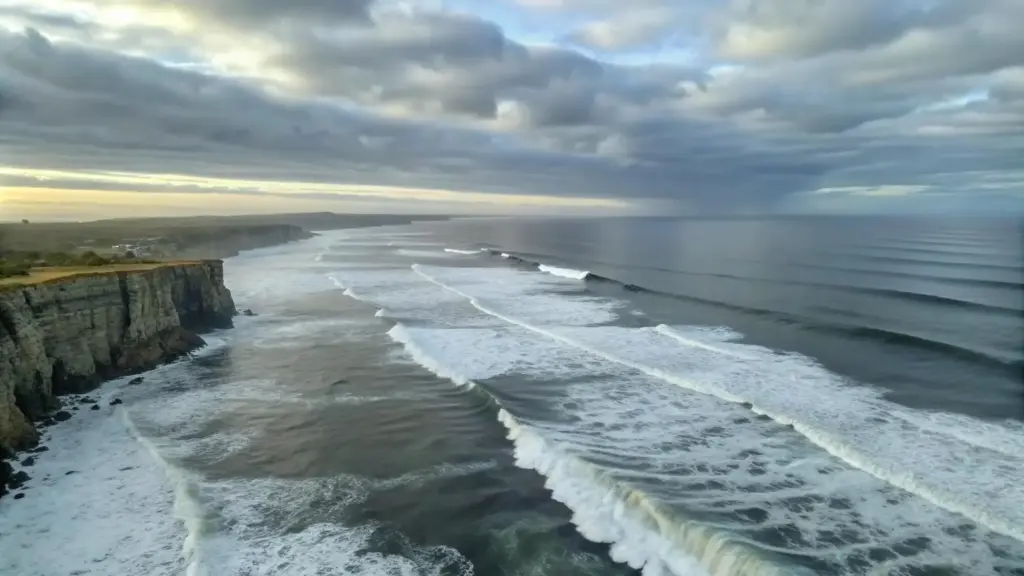
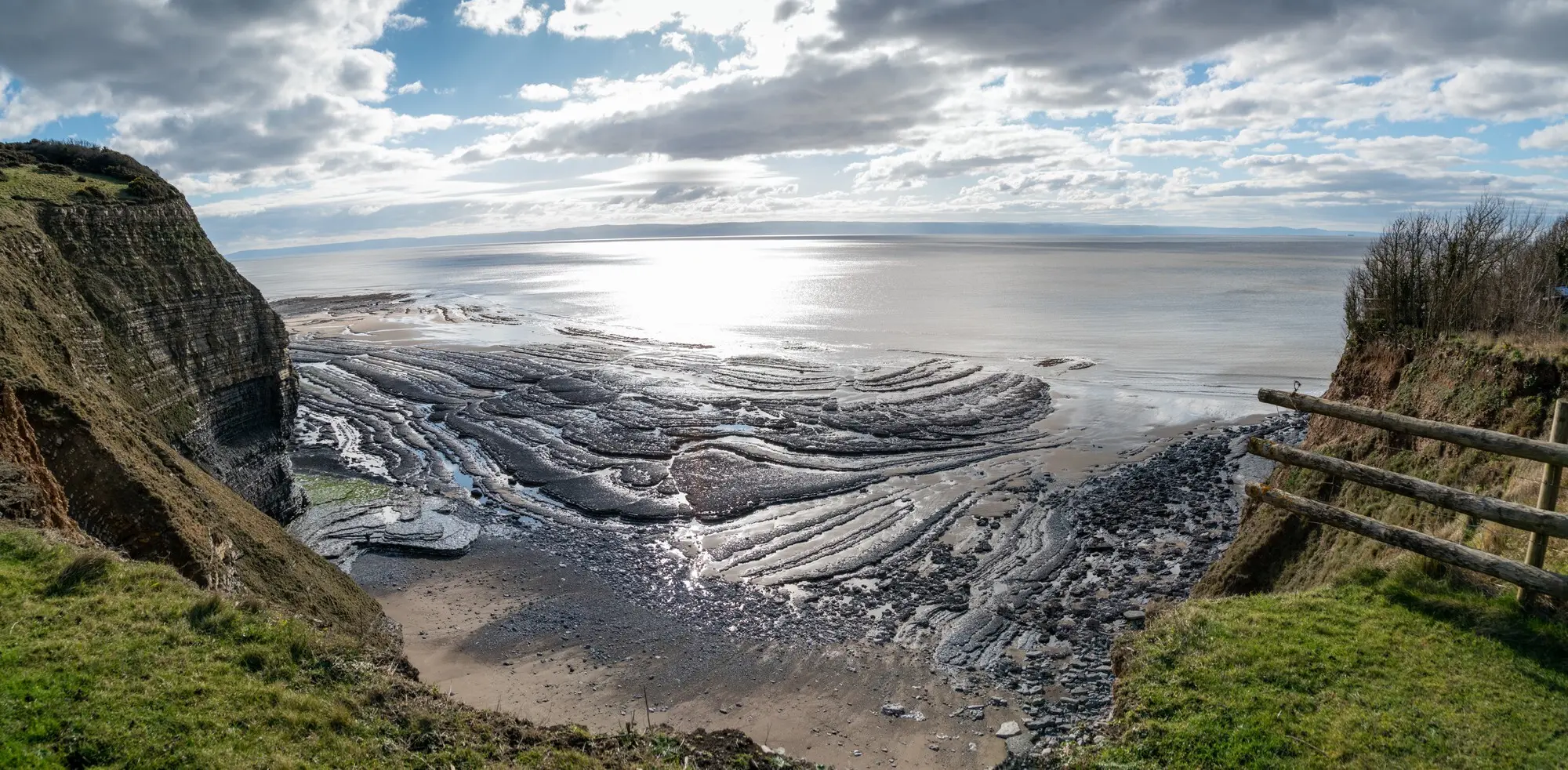
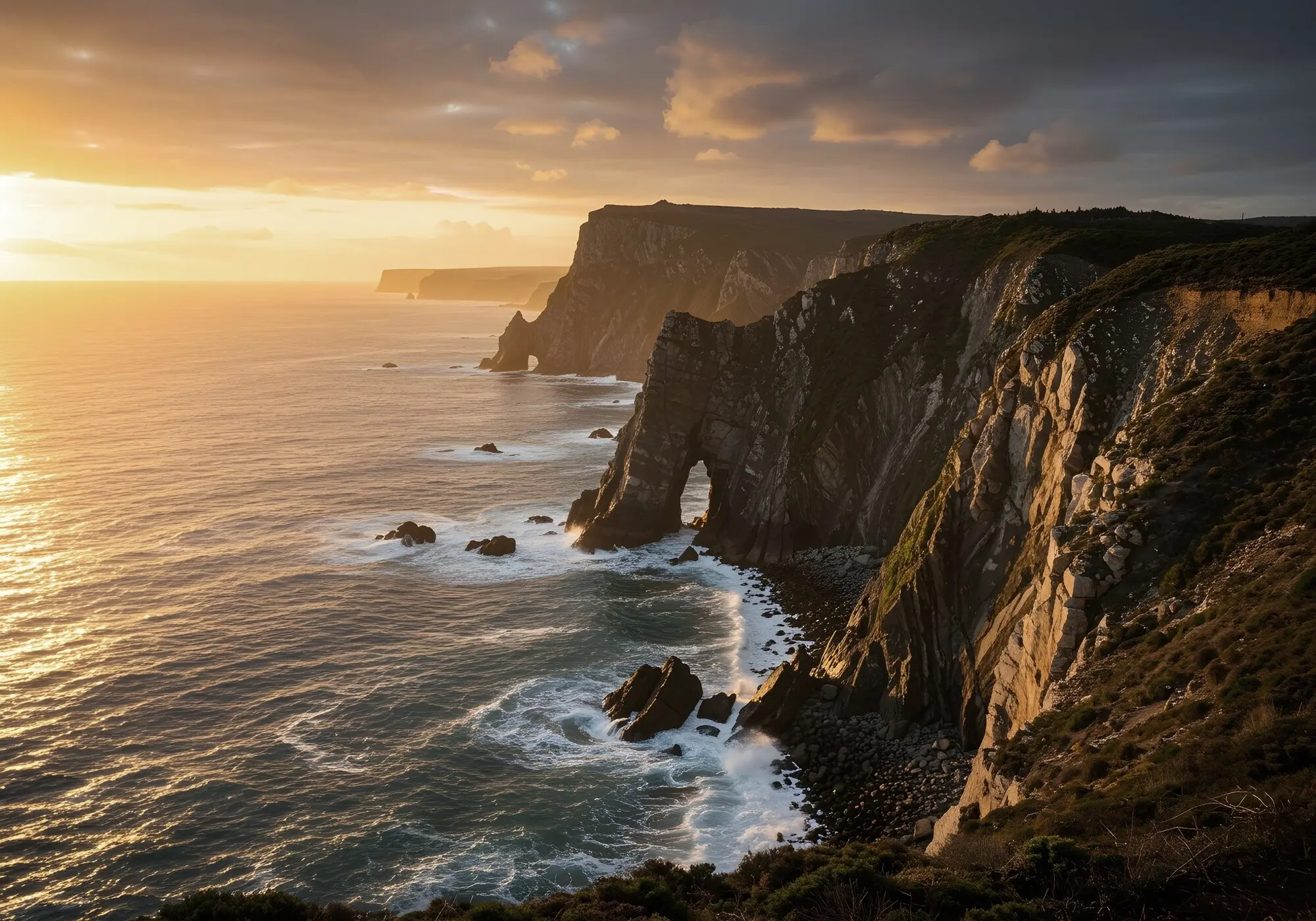
On chalk and limestone capes, like the luminous arc from Flamborough to Bempton or the south coast’s high faces, soils stay thin yet sweet. Sea thrift, kidney vetch, and pyramidal orchids flourish where grazing keeps sward tight, and rain leaches gently, creating a persistent balcony of bloom above soaring white walls.

Volcanic Rims: Basalt Heat and Atlantic Hardiness

Where old lava meets ocean on Skye, Mull, or the ragged Small Isles, black rock absorbs sun and shelters pockets of life. Mosses, lichens, and salt-tolerant sedges root in fractures, while fulmars wheel below. The contrast between dark buttresses and bright sea makes every tufted ledge feel like a secret garden.

Salt, Wind, and Grazers: The Unseen Gardeners

Salt-laden gales comb shrubs into cushions and limit taller competitors, letting ground-hugging herbs hold fast. Traditional grazing by native ponies, hardy sheep, and even rabbits keeps meadows open, diverse, and walkable. The result is colour, scent, and sound stitched into a living tapestry along perilous, endlessly renewed edges.

Spring’s First Colour: Thrift, Squill, and Returning Voices

From March into May, cushions of sea thrift glow against cold blue water, while spring squill freckles short turf on western headlands. Wheatears hop across stone, sandwich terns shout offshore, and early mining bees find nectar. Step carefully, because coastal nesting begins early, and paths may narrow where flowers press over edges.

High Summer: Butterflies, Choughs, and Long Evenings

Long days bring silver-studded blues across heathier meadows, graylings warming on sunlit rocks, and the flick of Lulworth skippers on Dorset slopes. Over Cornish cliffs, red-billed choughs tumble and call. Evening walks reward with calmer winds, sweet clover scent, and the patient companionship of kittiwakes settling into murmuring ledges.

Wild Neighbours of the Ledge

Life clings to the brink with astonishing inventiveness. From sprawling seabird colonies that turn air to thunder, to discreet mammals and agile corvids, each species has carved a niche on stone and sward. Watch with patience, let wind carry their stories, and learn the rhythms that keep these communities thriving.

Paths, Safety, and Gentle Impact

Beauty here comes with real risk and responsibility. Edges can undercut, tides trap, and winds steal footing. A thoughtful plan protects you and the creatures you came to meet. Equip simply, step softly, follow signs, and trade a few dramatic selfies for enduring memories and a lighter, kinder footprint.

Reading the Edge: Tides, Weather, and Erosion

Carry an updated map, check tide tables, and read forecasts that include gusts, swell, and visibility. Allow margins for ferries or headland returns. Keep well back from corniced grass and fresh cracks. If cliffs weep or paths slough, reroute without debate; the view will still be there tomorrow.
Nests and Pups: Distance, Silence, and Better Views

Binoculars and patience beat drones and cliff-top shouting every time. Use natural blinds, avoid lingering above burrows, and treat roped areas as quiet zones. With respectful distances, you will see more behaviour, feel less guilt, and leave no trace beyond a footprint erased by evening wind.
Gates, Grazing, and Rare Plants: Sharing Space Well

Shut gates, leash dogs near livestock, and step on rock where possible to spare delicate mats of thrift, scurvygrass, and sea campion. Notice pony or sheep work keeping turf open. Thank farmers and rangers when you meet them; their daily care safeguards the wildness you came to witness.

Quiet Places, Honest Directions

Wild corners survive when curiosity meets care. Rather than dropping pins, we share patterns that lead gently to discovery: look for sheltered coves below grazed headlands, short turf above complex seabird cliffs, and train-linked paths with modest parking. Learn the signs, travel lightly, and trade secrecy for stewardship and trust.

Chalk North: Flamborough Arcs and Bempton Air

Around Flamborough Head’s chalk arcs, meadows blur into sky, and gannet courts fill the wind with paper-white wings. Trains reach Bridlington and Bempton, footpaths thread fields, and wildflowers stencil ledges. Arrive early, wander slowly, and let the horizon teach patience as shadows swing across walls of living limestone.
Western Isles: Machair’s Shell-Sand Bloom

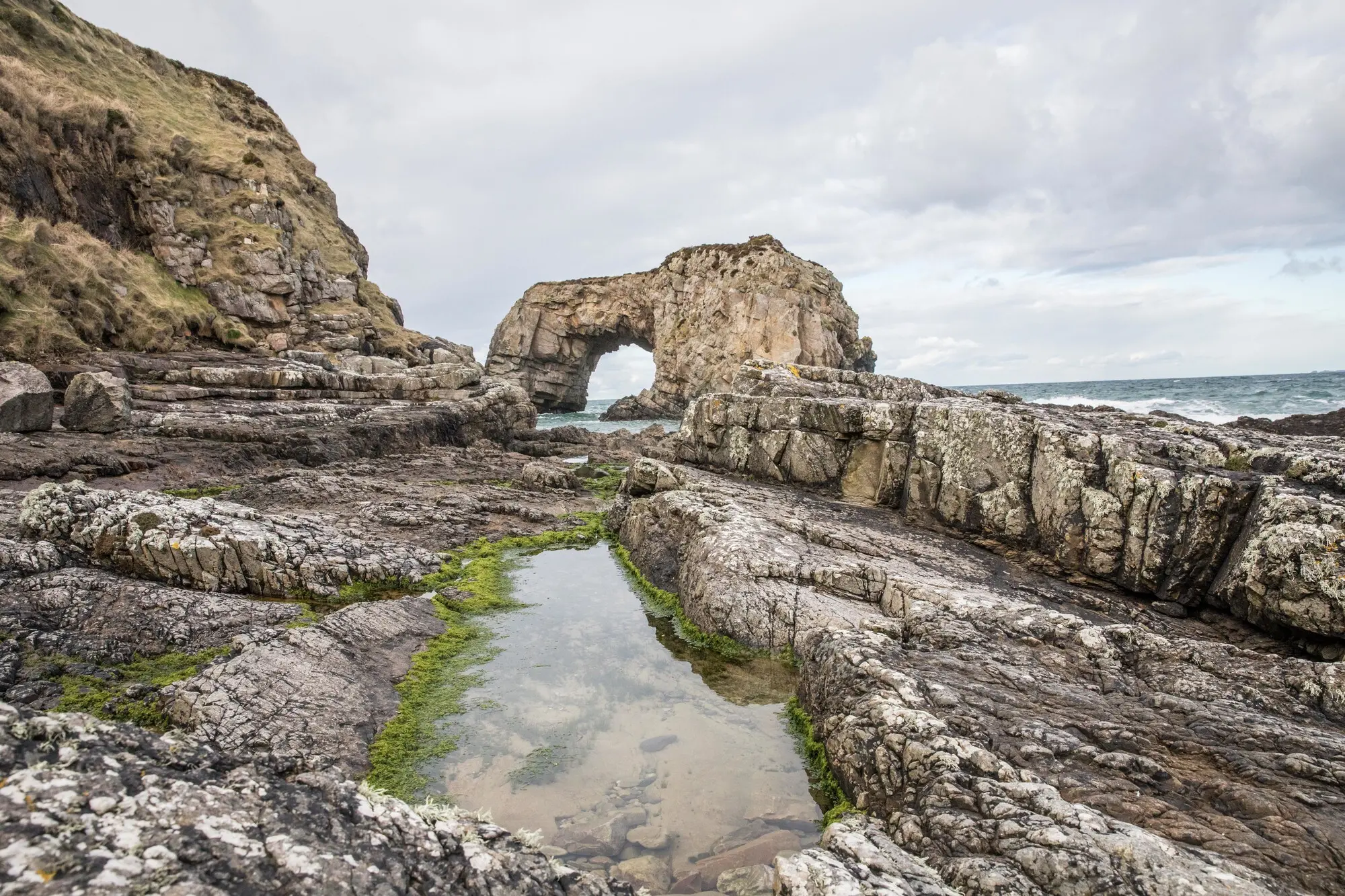
On Hebridean shores, calcium-rich sands build machair, a low, singing plain of daisies, orchids, and buttercups buzzing with life. Corncrakes call from cover, ringed plovers ghost along tidelines, and crofting keeps fields open. Respect crofts and gates, camp discreetly, and let midnight light redraw colours you thought you knew.
Celtic Headlands: Pembrokeshire Paths and Island Ferries

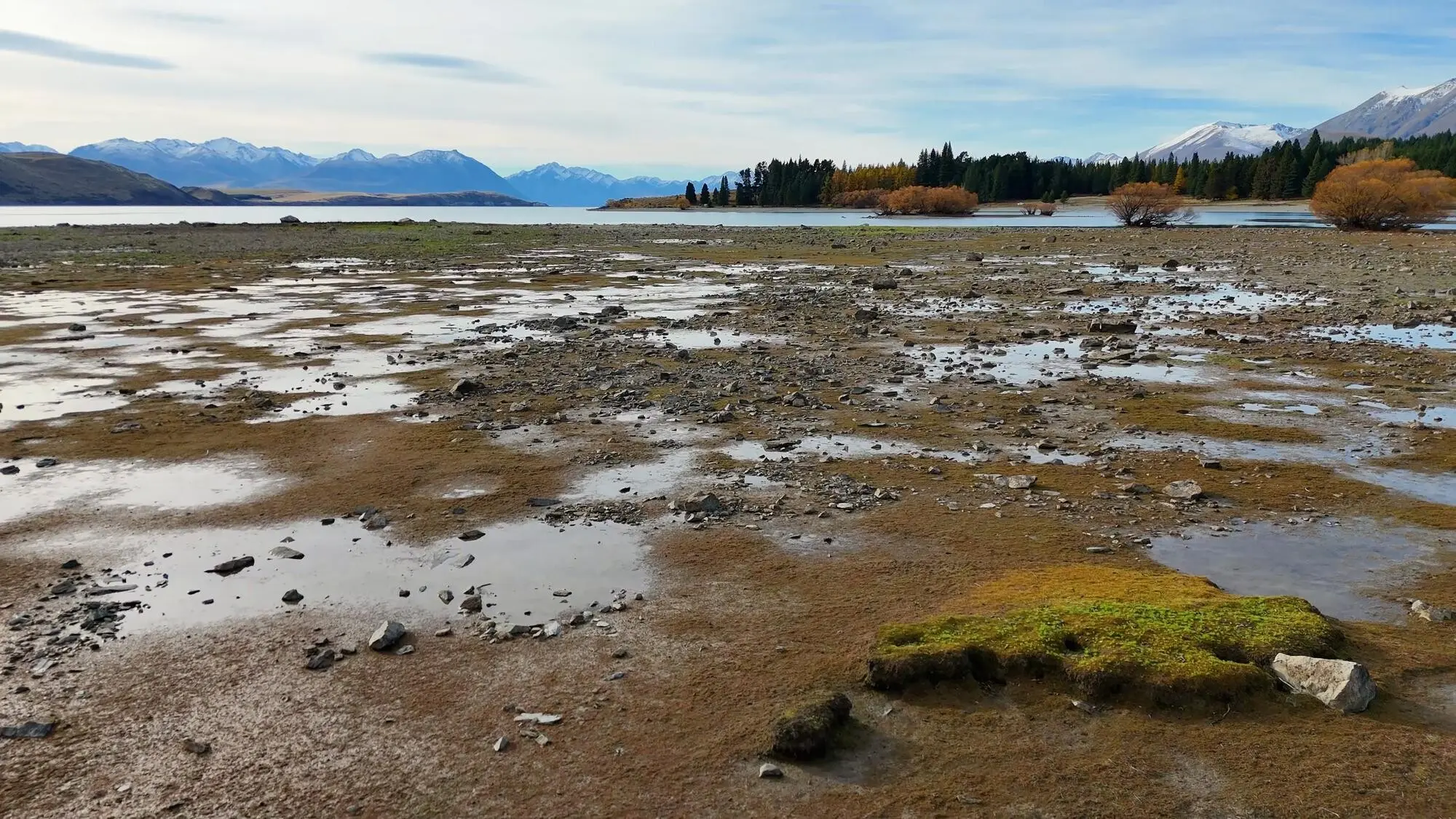
From St David’s Head to Marloes, spring paints cliffs with thrift while ferries hum toward Skomer and Ramsey. Puffins tumble near boat wakes, choughs flash over heather, and seals loaf in green caves. Book ahead, tread lightly on narrow paths, and linger long enough for hush to arrive.
Fieldcraft for Heart and Notebook

Exploration deepens when you write, sketch, and share carefully. Notes sharpen perception, photographs guide memory, and humble data points protect places you love. Choose simple tools, commit to gentle habits, and let wind, scent, and tide-time shape attention. Your presence can become part of the coast’s quiet defense. Subscribe for seasonal field notes, share your observations in the comments, and tell us about a meadow or ledge that changed your day; your voice can guide others toward kinder coastal adventures.

A Coastal Notebook: Tides, Flowers, and Small Wonders

Carry pencil and waterproof cards. Record tide heights, bloom stages, butterfly counts, and bird behaviours alongside weather and wind direction. Sketch cliff profiles and tiny leaves. Later, patterns emerge, and your next visit becomes more attentive, safer, and richer in details most walkers pass without noticing.
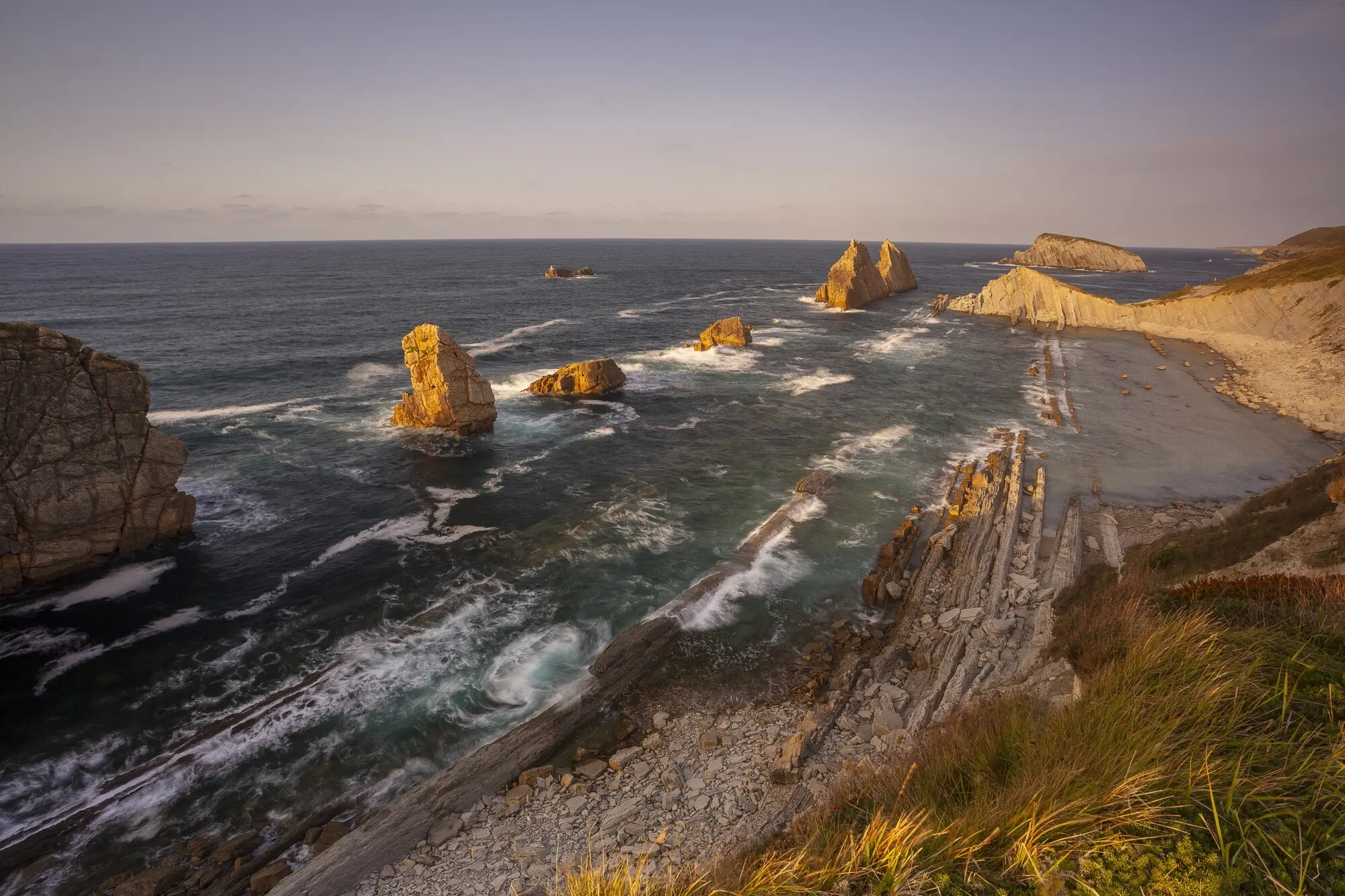
Citizen Science: Records that Safeguard Edges

Submit observations to platforms like iNaturalist UK, BirdTrack, or local record centres, adding precise dates, cautious locations, and clear photos. Small contributions map migrations, flowering shifts, and colony health. Together, they justify protections, shape grazing plans, and prove that careful joy can also be rigorous, practical guardianship.

Photography and Quiet: Making Better Pictures by Doing Less

Use longer lenses, brace against wind, and accept soft light as a gift. Stay back from rims, avoid nests, and never flush birds for action. Put the camera down often. When you truly listen, compositions arrange themselves, and your story honours the place rather than your presence.