Reading the Edge: Tides, Weather, and Erosion
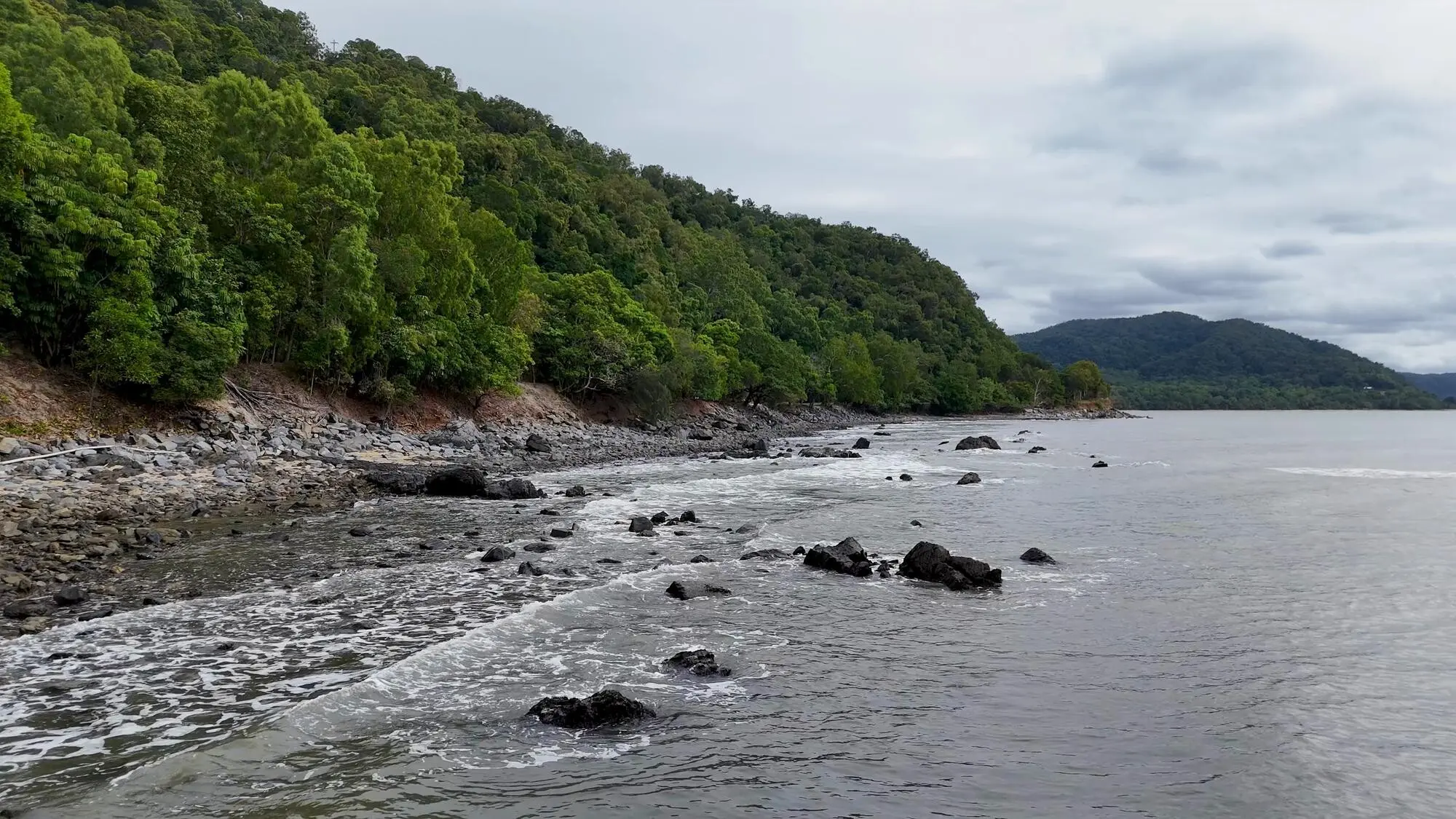
Carry an updated map, check tide tables, and read forecasts that include gusts, swell, and visibility. Allow margins for ferries or headland returns. Keep well back from corniced grass and fresh cracks. If cliffs weep or paths slough, reroute without debate; the view will still be there tomorrow.
Nests and Pups: Distance, Silence, and Better Views
Binoculars and patience beat drones and cliff-top shouting every time. Use natural blinds, avoid lingering above burrows, and treat roped areas as quiet zones. With respectful distances, you will see more behaviour, feel less guilt, and leave no trace beyond a footprint erased by evening wind.
Gates, Grazing, and Rare Plants: Sharing Space Well
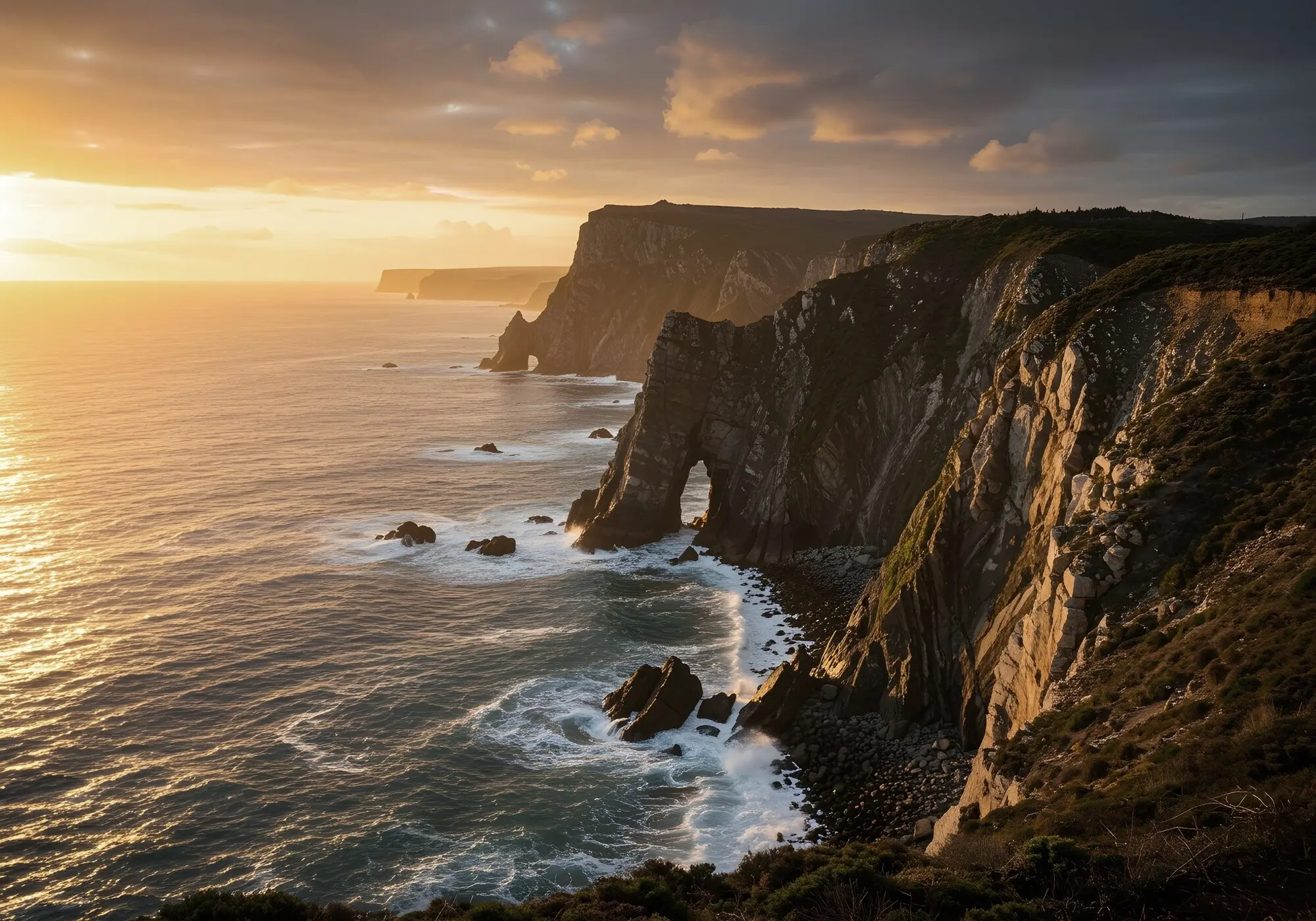
Shut gates, leash dogs near livestock, and step on rock where possible to spare delicate mats of thrift, scurvygrass, and sea campion. Notice pony or sheep work keeping turf open. Thank farmers and rangers when you meet them; their daily care safeguards the wildness you came to witness.
Chalk North: Flamborough Arcs and Bempton Air
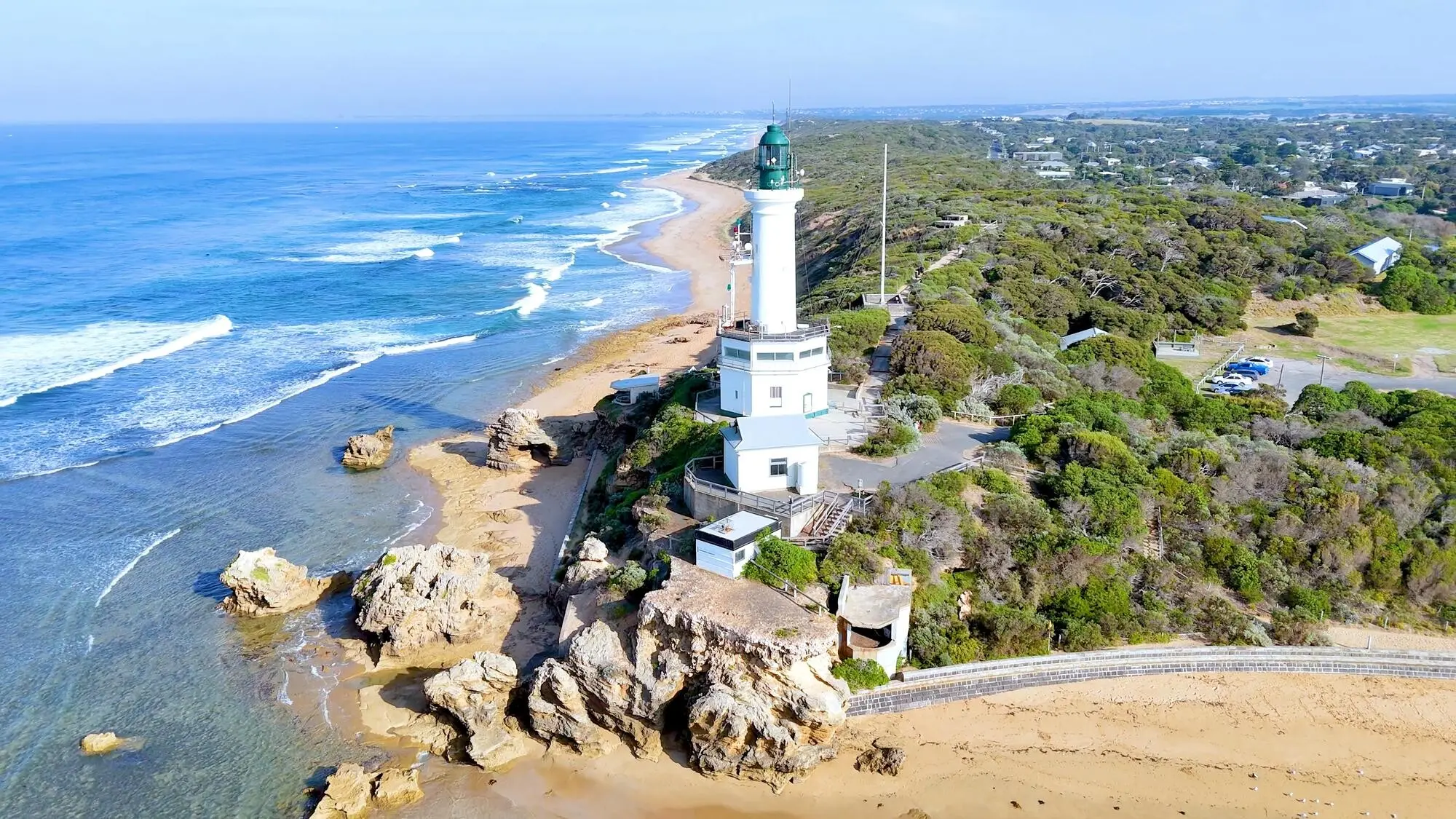
Around Flamborough Head’s chalk arcs, meadows blur into sky, and gannet courts fill the wind with paper-white wings. Trains reach Bridlington and Bempton, footpaths thread fields, and wildflowers stencil ledges. Arrive early, wander slowly, and let the horizon teach patience as shadows swing across walls of living limestone.
Western Isles: Machair’s Shell-Sand Bloom
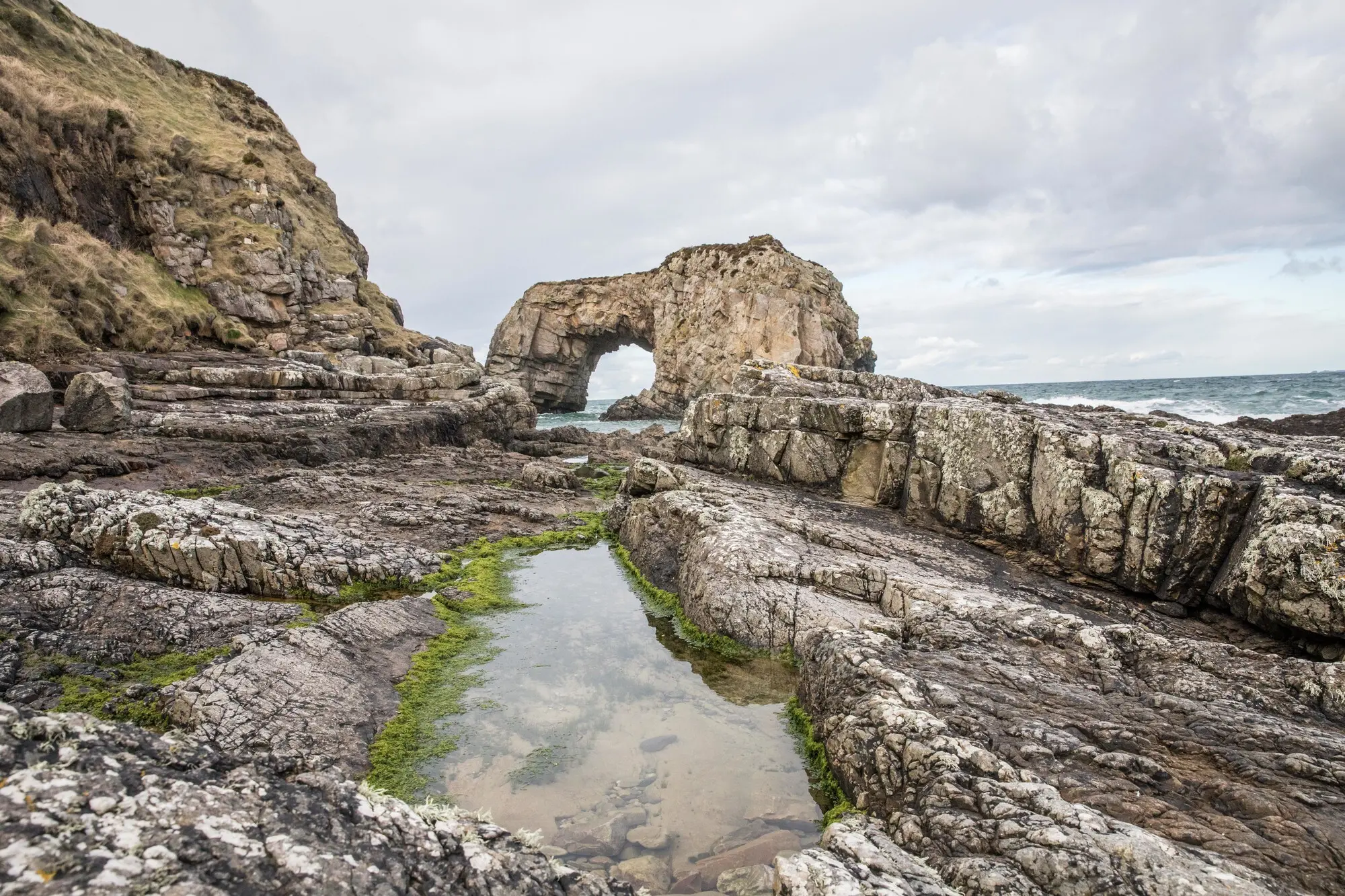
On Hebridean shores, calcium-rich sands build machair, a low, singing plain of daisies, orchids, and buttercups buzzing with life. Corncrakes call from cover, ringed plovers ghost along tidelines, and crofting keeps fields open. Respect crofts and gates, camp discreetly, and let midnight light redraw colours you thought you knew.
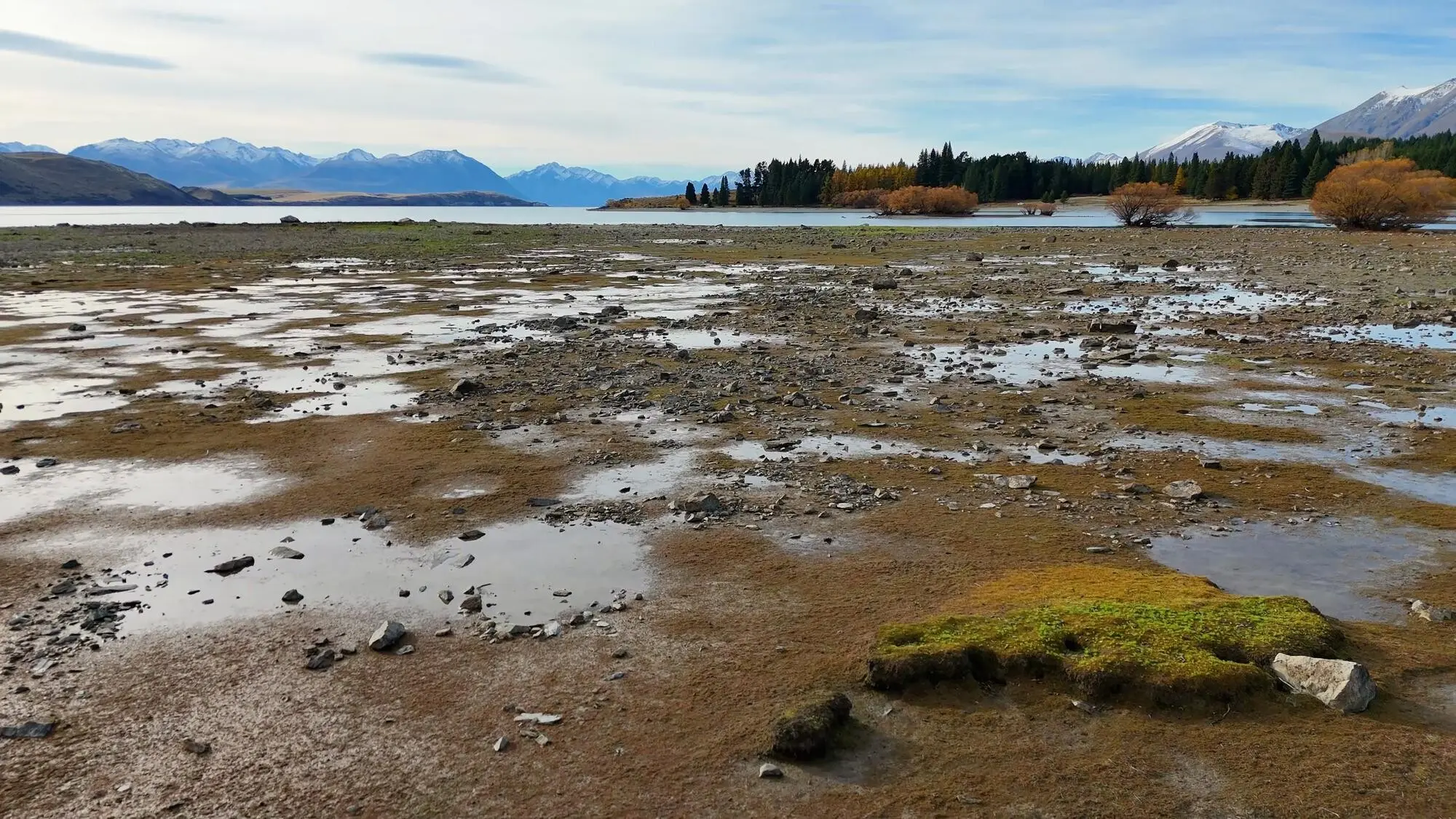
Celtic Headlands: Pembrokeshire Paths and Island Ferries
From St David’s Head to Marloes, spring paints cliffs with thrift while ferries hum toward Skomer and Ramsey. Puffins tumble near boat wakes, choughs flash over heather, and seals loaf in green caves. Book ahead, tread lightly on narrow paths, and linger long enough for hush to arrive.
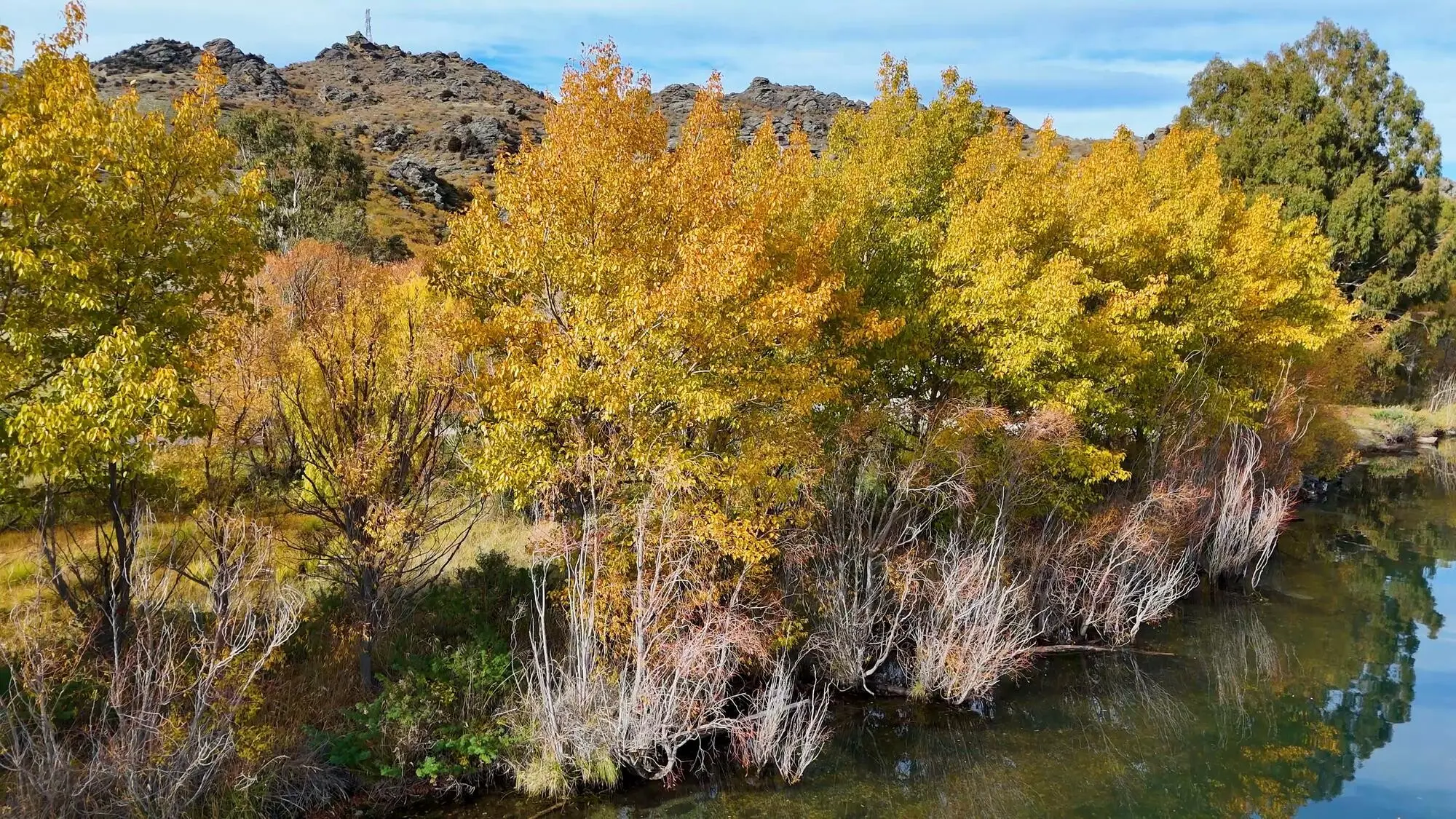
A Coastal Notebook: Tides, Flowers, and Small Wonders
Carry pencil and waterproof cards. Record tide heights, bloom stages, butterfly counts, and bird behaviours alongside weather and wind direction. Sketch cliff profiles and tiny leaves. Later, patterns emerge, and your next visit becomes more attentive, safer, and richer in details most walkers pass without noticing.
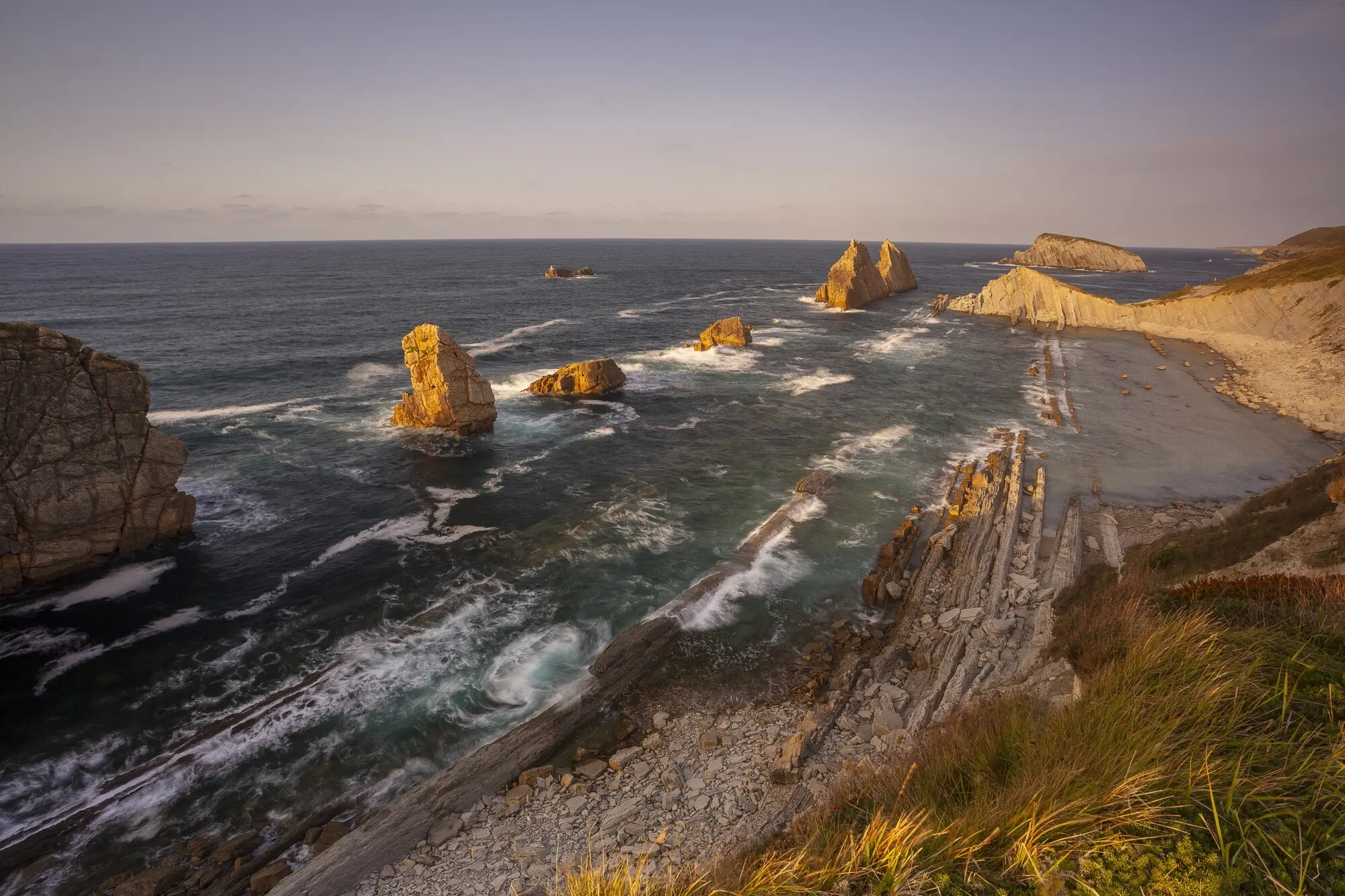
Citizen Science: Records that Safeguard Edges
Submit observations to platforms like iNaturalist UK, BirdTrack, or local record centres, adding precise dates, cautious locations, and clear photos. Small contributions map migrations, flowering shifts, and colony health. Together, they justify protections, shape grazing plans, and prove that careful joy can also be rigorous, practical guardianship.
Photography and Quiet: Making Better Pictures by Doing Less
Use longer lenses, brace against wind, and accept soft light as a gift. Stay back from rims, avoid nests, and never flush birds for action. Put the camera down often. When you truly listen, compositions arrange themselves, and your story honours the place rather than your presence.